Glycaemic Index and Blood Sugar Response
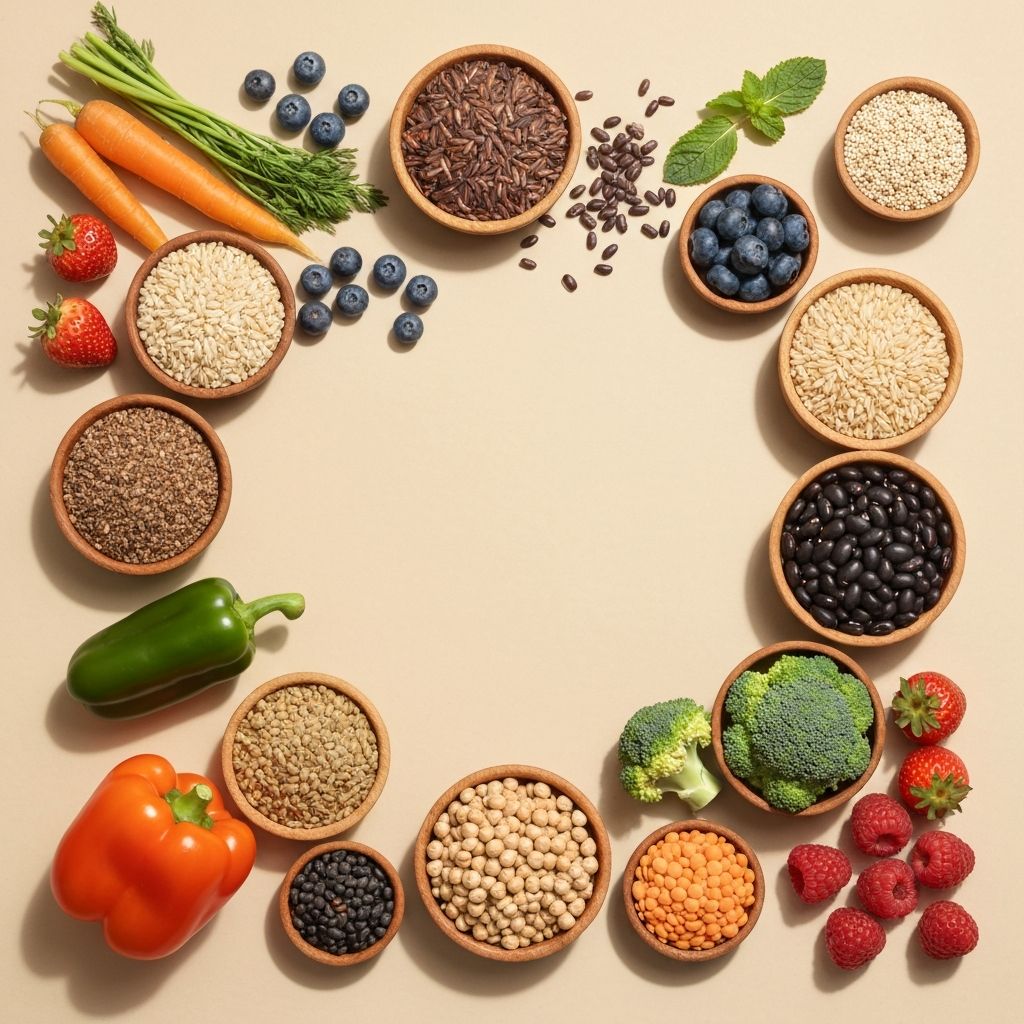
The glycaemic index (GI) is a measure of how quickly carbohydrates in food raise blood glucose levels after consumption. Understanding this concept provides insight into how different foods affect blood sugar and the physiological responses that follow. This is purely informational knowledge without prescriptive guidance about which foods should be eaten.
What is the Glycaemic Index?
The glycaemic index ranks carbohydrate-containing foods on a scale of 0-100 based on how rapidly they raise blood glucose levels compared to pure glucose (which has a GI of 100). Foods with a high GI raise blood glucose quickly, while foods with a low GI raise it more slowly.
GI Classifications
- Low GI (0-55): Raises blood glucose slowly and steadily
- Medium GI (56-69): Moderate effect on blood glucose
- High GI (70-100): Raises blood glucose rapidly
Examples of Foods and Their GI
Some foods commonly associated with different GI values include:
Low GI Foods
- Legumes (beans, lentils, chickpeas)
- Most non-starchy vegetables (broccoli, spinach, bell peppers)
- Steel-cut oats
- Wholemeal bread
- Nuts and seeds
- Apples and berries
High GI Foods
- White bread and refined grain products
- Instant oatmeal
- Watermelon
- White rice
- Processed snack foods
- Sugary drinks
What Affects Glycaemic Index?
Several factors influence how quickly a food raises blood glucose:
Food Processing
Refined and processed foods typically have higher GI values than their whole food counterparts. Processing removes fibre and breaks down the food structure, making carbohydrates more accessible to digestive enzymes.
Fibre Content
Foods high in fibre tend to have lower GI values because fibre slows carbohydrate digestion and absorption. This is one reason that whole grain versions of foods typically have lower GI values than refined versions.
Ripeness
As fruits ripen, their starch converts to sugar, which can affect their GI. A ripe banana has a higher GI than an unripe banana, though both are nutritious.
Preparation Methods
Cooking can affect GI. For example, cooled potatoes have lower GI than hot potatoes because cooling causes starch retrograde, changing its structure. Overcooking vegetables can increase their GI by breaking down fibre.
Combinations with Other Foods
Eating carbohydrate-containing foods with protein, fat, or fibre can reduce the overall glycaemic response. This is why a slice of bread with butter and cheese has a lower GI effect than bread alone.
Glycaemic Load
Glycaemic load (GL) takes both the GI of a food and the portion size into account. It provides a more practical measure of how a typical serving of food affects blood glucose. A food can have a high GI but low GL if portions are typically small.
For example, watermelon has a high GI, but a typical serving contains relatively little carbohydrate, resulting in a moderate GL.
Blood Sugar Response
When carbohydrates are consumed, they are broken down into glucose, which enters the bloodstream. This triggers the release of insulin, a hormone that helps cells absorb glucose for energy or storage. The rate at which glucose enters the bloodstream affects how much insulin is released and how the body responds.
Rapid blood glucose spikes followed by rapid drops can result in feelings of fatigue or hunger. More gradual blood glucose changes may result in more stable energy levels and appetite, though individual responses vary substantially.
Individual Variation
Individual responses to the same food can vary based on genetics, physical fitness, stress levels, sleep quality, and other factors. Two people eating the same food may have different blood glucose responses. Additionally, a person's response may vary from day to day based on their metabolic state and activity level.
Limitations of Glycaemic Index
- GI does not account for overall nutritional value of foods
- Individual responses vary and may not match GI classifications
- GI values can vary based on food source, ripeness, and preparation
- Low GI does not necessarily mean a food is healthy, and high GI does not necessarily mean it is unhealthy
- Context matters—foods eaten with others affect overall response
Key Takeaways
- Glycaemic index measures how quickly carbohydrate foods raise blood glucose
- Fibre, processing, and food combinations affect glycaemic response
- Glycaemic load accounts for both GI and portion size
- Blood sugar response affects energy and appetite, though individually
- Individual variation in response is substantial
- GI is useful information but should not be the only consideration in food choices
Educational content only. No promises of outcomes.
This article presents general scientific information for educational purposes. It does not constitute medical or nutritional advice and is not personalised to individual circumstances. For guidance specific to your individual situation, consult qualified healthcare professionals.